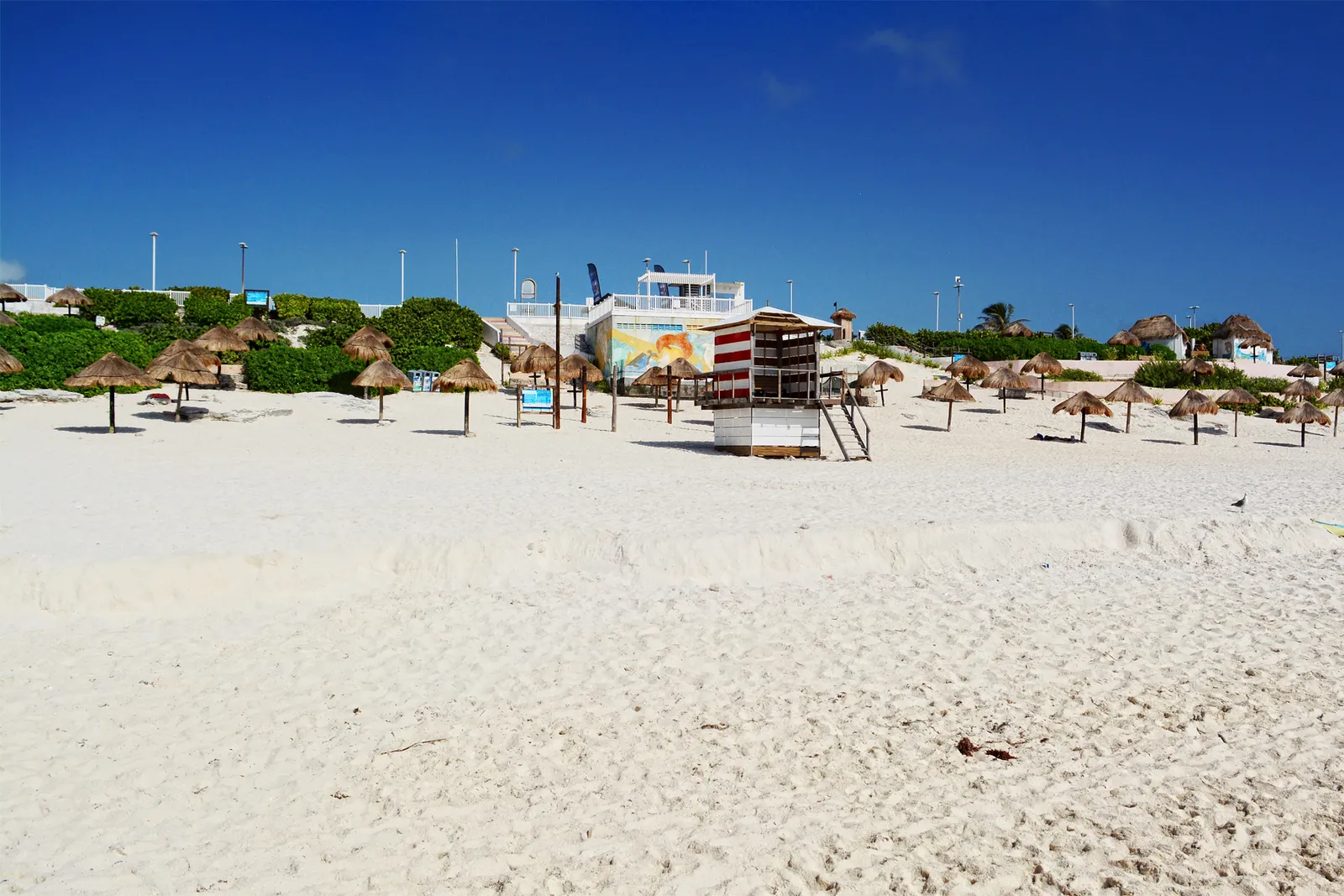
A new tourism approach promises to transform the Riviera Maya. Discover how this vision, beyond mere marketing, could shape your property's value and investment strategy in Cancun in the coming years.
What is regenerative tourism and why does it matter to your investment?
On September 4, 2026, Reportur reported that a hoteliers' forum in Cancun would address the concept of regenerative tourism. This announcement, which at first glance might seem unrelated to the real estate market, actually marks a potential turning point for investment in the region.
Regenerative tourism goes beyond sustainability or ecotourism. It not only seeks to minimize negative impact but actively restore and improve the natural and social environment of destinations. This implies deep integration with local communities, protection of biodiversity, and a more authentic and conscious experience for visitors. For the Cancun and Riviera Maya real estate market, this is not just a trend; it's a signal that the future development model could change significantly.
Historically, property values in destinations like Cancún have been linked to traditional tourism infrastructure, beach access, and the promise of quick returns. However, a regenerative approach could revalue aspects such as connection with nature, cultural integration, energy efficiency of constructions, and contribution to the local economy. This, in turn, could influence what types of properties are most demanded and valued in the long term, and where the most sustainable and profitable growth will concentrate.
Understanding this transition is key for any buyer or investor. The data normally reserved for developers and expensive market studies are now in your hands for informed decision-making.
What the current numbers say before any transformation
Despite discussions about regenerative tourism, it's crucial to understand that current real estate market prices, as of September 1, 2026, do not yet reflect these future intentions. The data we monitor in the Cancún Prime Index shows us a snapshot of the present, where differences between zones are profound and not dictated by promises of future tourism models.
The typical price (the median — the middle value, not the average) per square meter in the entire Cancún market is $48,000 MXN, according to the 92 listings monitored. However, this figure is an average that masks the enormous disparity between zones. For example, the typical price per square meter in Puerto Cancún is $59,287 MXN, while in Huayacán it stands at $21,667 MXN. This means that today, the square meter in Puerto Cancún is almost 3 times more expensive than in Huayacán, without 'regenerative tourism' having moved the needle yet.
Price variations per square meter between the previous month and this cutoff are marginal in most areas: Tulum, Playa del Carmen, Cumbres, and Huayacán show 0% change. Centro had a slight increase of 0.3%, and Puerto Cancún an increase of 5.7%. These fluctuations are organic movements of the supply and demand market, not consequences of new paradigms. Areas like Costa Mujeres, Lagos del Sol, Álamos, Zona Hotelera, and Jardines del Sur, having fewer than four listings, do not offer a reliable statistical reading at this time.
It's important to remember that the prices we analyze are asking prices (offer), not closing prices. This means that what we see today are sellers' expectations, which may be influenced in the future by new policies and trends like regenerative tourism, but at this moment, the reality of the figures still shows a market with established dynamics and significant contrasts.
Current prices show a reality: the square meter in Puerto Cancún is almost 3 times more expensive than in Huayacán, without 'regenerative tourism' having moved the needle yet.
Who benefits and who is challenged by the new tourism approach
The shift towards regenerative tourism in Cancún and the Riviera Maya will not affect all buyers and investors equally. Depending on your profile and objectives, this new direction can represent an opportunity or a challenge.
For the local resident or permanent home buyer: They are likely to see indirect benefits in the improvement of urban infrastructure, quality of life, and environmental stability of the region. Areas that invest in community services and green spaces, such as Cumbres or Centro, could consolidate their long-term value. However, it could also imply an increase in the regulation of certain types of development.
For the vacation rental investor: This is, perhaps, the most directly affected profile. Regenerative tourism can reorient demand towards properties that offer a more authentic experience, connected with local culture and with a low environmental impact. Developments in Tulum, for example, where 70.5% of pre-sale units are already sold in 22 developments, could be a good barometer of this trend. Properties that adopt sustainable certifications or promote cultural immersion could see higher demand and, potentially, better long-term returns, compared to those that only offer luxury without purpose.
For the pre-sale buyer: You are in a strategic position, but also at higher risk. Acquiring a property in pre-sale allows you to choose a development that aligns with the principles of regenerative tourism, ensuring your investment remains relevant in the future. However, it is essential to thoroughly research the developer's commitment to these practices. Areas like Playa del Carmen, with 48.6% of its 245 units available in 8 developments, or Huayacán, with only 19% sold in its single monitored development, offer opportunities for those seeking projects with a long-term focus. Evaluating the sold percentage is key: if it's very advanced (Cozumel 100%, Lagos del Sol 78.8%), your bargaining power is lower.
For the foreign investor: The pursuit of security and long-term returns is paramount. A well-implemented regenerative tourism framework could offer greater stability to the destination by protecting its resources and attractiveness. This translates into lower volatility and more sustained value for properties, as long as the investment is made in projects that truly adopt this philosophy and do not just use it as a marketing strategy.
Key rules for buying in Cancún with a future vision
Given the prospect of regenerative tourism, the buying strategy in Cancún and the Riviera Maya demands a deeper and less impulsive look. Here are guidelines for navigating this landscape:
- Don't just rely on announcements: A headline about a forum is a starting point, not a conclusion. Major transformations take time. Policies and regulations that truly impact the market are yet to be confirmed and, most importantly, implemented. Stay informed with verified data, not promises.
- Research the location and development: If regenerative tourism is the way forward, locations that offer a genuine connection to the natural environment or the local community could gain value. Evaluate if the development has real sustainability certifications, uses local materials, or if its design minimizes environmental impact. Ask about waste management plans, use of renewable energy, and integration with the ecosystem.
- Diversify your investment: Don't put all your eggs in one basket. While some areas may promise greater appreciation potential under a regenerative model, others will remain attractive due to their current fundamentals. Consult the zone map and explore options in different areas to balance risk and growth potential.
- Focus on quality, not just price: A quality development, well-designed, and with a real commitment to sustainability, will likely have more lasting value. Entry prices can be an indicator, but not the only one. A typical price of $5.7 MM MXN in Cumbres or $3.5 MM MXN in Tulum can represent a better long-term investment if the project is solid.
- Understand the timelines: The implementation of regenerative tourism policies is a long process. Properties sold today in pre-sale will see their value consolidate as these policies materialize. This means the buyer must have a medium- to long-term investment vision.
The key is to act with information and prudence. An announcement is not a delivery, and the promise of a regenerative future does not mean values automatically adjust overnight. Current market data remains your best compass.
THE PRACTICAL RULE FOR THE FORWARD-THINKING INVESTOR
Given announcements of future changes, your best strategy is to base your decisions on current market data, while thoroughly researching the development's alignment with new trends. A real commitment to regenerative tourism in a project, beyond marketing, will be a key differentiator for your property's long-term value.
Frequently asked questions
What is regenerative tourism and how does it affect the Cancún real estate market?
Regenerative tourism seeks to restore and improve the natural and social environment, not just minimize impact. In the Cancún real estate market, it could revalue sustainable properties with cultural integration that contribute to the local economy, changing the type of demand and long-term value.
Do property prices in Cancún already reflect the impact of regenerative tourism?
No, data from the Cancún Prime Index as of September 1, 2026, do not show a direct impact. Current variations are organic market movements, and large price disparities between zones persist, without influence from the new tourism approach.
Which areas of Cancún could benefit most from this new tourism approach?
Areas with developments that already integrate sustainability and local connection, such as some areas of Tulum or specific projects in Playa del Carmen, could see greater benefit. Also, those that invest in green and community infrastructure.
Is it a good time to buy in pre-sale if I am interested in regenerative tourism?
Yes, if you thoroughly research the developer's real commitment to regenerative practices. Buying in pre-sale allows you to choose projects aligned with this future vision, but it is crucial to verify the project's solidity and authenticity, as policies are still to be confirmed and implemented.
